
Publishing council minutes and decisions without personal data: a practical guide
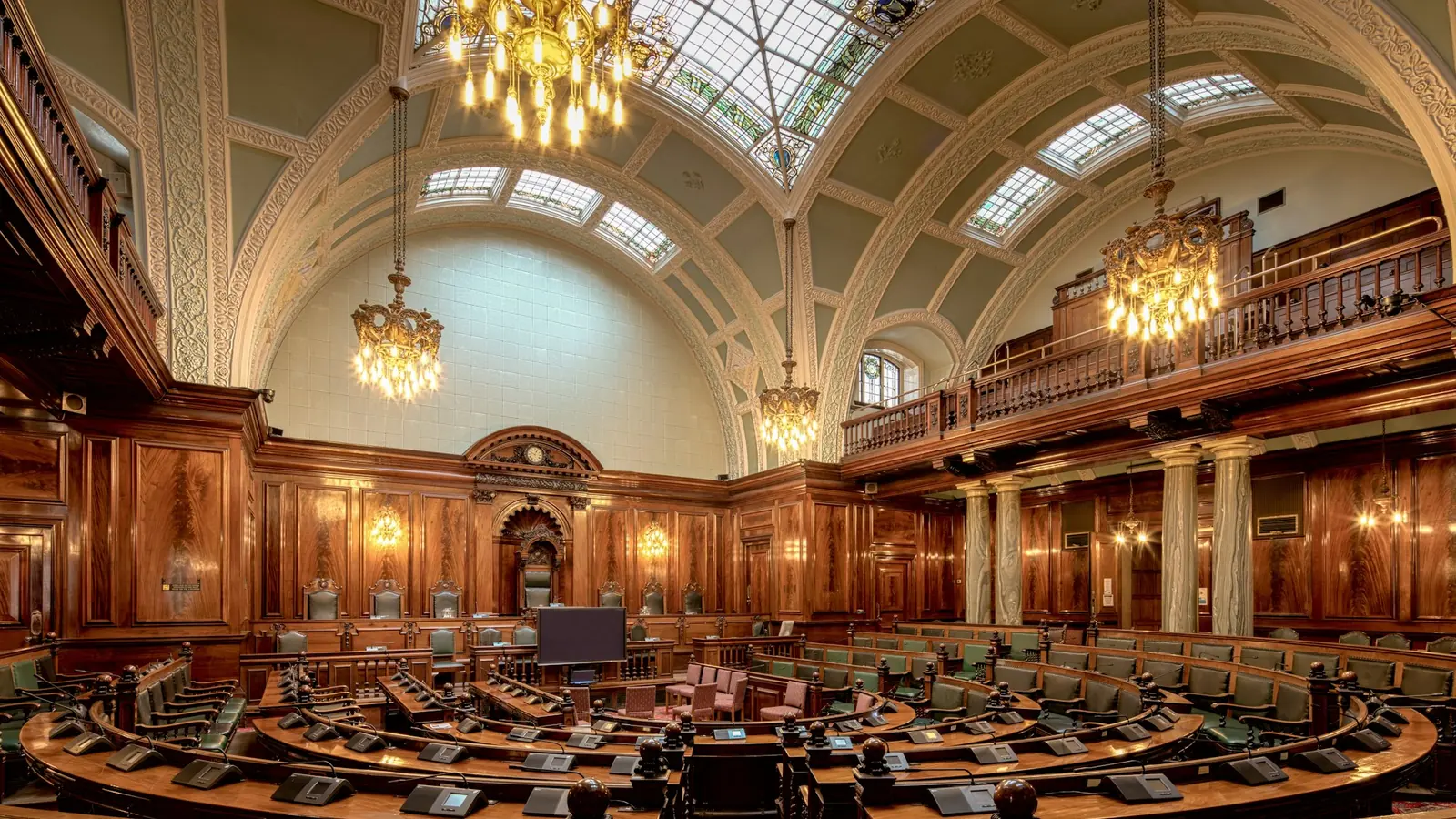
Council and committee minutes, officer reports and records of executive decisions are the public memory of local government, and they are increasingly published in full on council websites. They also contain the names of residents who objected to a planning application, details of staff, home addresses, social care circumstances or enforcement action. Publishing without a check is one of the most common ways a local authority ends up dealing with a complaint or a data breach.
This guide summarises the legal framework in England and Wales, what can stay visible, what has to come out and how to organise the work so that publication is quick and safe.
What the law requires councils to open up
Part VA of the Local Government Act 1972 (sections 100A to 100K) makes meetings of principal councils and their committees open to the public, with agendas, reports and minutes available for inspection. The public can be excluded for an item only where exempt information would be disclosed, or where confidential information is involved.
Schedule 12A defines exempt information. Its first descriptions are directly about personal data: information relating to any individual, and information likely to reveal the identity of an individual. Others cover the financial or business affairs of a particular person, labour relations consultations, legal professional privilege, proposed notices or orders, and crime prevention. In England, information in those categories is exempt only while the public interest in keeping it exempt outweighs the public interest in disclosure.
Section 100C requires minutes, summaries, agendas and the open parts of reports to remain available for six years. Where excluding exempt information leaves the minutes without a reasonably fair and coherent record, the proper officer must prepare a written summary that gives that record without disclosing the exempt information. In Wales, these documents must also be published electronically.
Above all of this sits the UK GDPR. A statutory duty to publish a decision does not automatically justify publishing every piece of personal data in it: data minimisation (Article 5(1)(c)) still applies. And when someone asks for an unpublished document under the Freedom of Information Act 2000, section 40 protects third-party personal data.
What stays visible and what comes out
| Content | Fictitious example | Published version |
|---|---|---|
| Councillors and how they voted | A ward councillor speaks against a proposal | Published: this is public office |
| Senior officers acting in their role | The monitoring officer advises the committee | Name and role visible; nothing about private life |
| Residents who object or apply | Objection to a licensing application | Remove or summarise unless identity is essential to the decision |
| Health, disability, social care, safeguarding | Discretionary housing payment for a family | Always remove: special category or highly sensitive data |
| Staffing matters | Disciplinary hearing outcome | Exempt item; publish only a summary without identity |
| Enforcement against individuals | Notice under environmental health powers | Remove name, address and vehicle registration |
| Addresses, phone numbers, bank details, signatures | Correspondence address of an appellant | Remove |
Planning is a special case: applicant and agent details are typically on the planning register, but objectors' contact details and any personal circumstances raised in representations usually are not needed in a committee report. Records of executive decisions follow the same logic: the decision, reasons and options considered should be clear without exposing the individuals affected.
Technical mistakes that undo the work
- Scanned minutes without OCR: the text is invisible to search tools and personal data slips through.
- Overlay redaction: a black box on a PDF with the text still underneath, recoverable with copy and paste.
- Metadata and properties: author, file name or comments containing names; it is worth removing PDF metadata before upload.
- Forgotten appendices: the report is clean but the appendix listing respondents is not.
- Webcasts: if meetings are streamed and archived, residents' contributions are personal data too.
- Search engines: a document taken down can stay indexed or cached; the safe approach is not to publish the data in the first place.
Organising the work
Keep two versions: the full original, held on the committee file, and the public version produced for the website. Write down the rules per document type, keep a standing list of councillors and officers whose names must remain, and record who reviewed each document before publication. Our checklist for publishing documents is a good starting point, and the public transparency use case covers other document types. In the US, similar questions arise under state open meetings and public records laws, and the same two-version workflow applies.
Anonimatum is built for this kind of workflow. A system template for local government decisions keeps dates, amounts and reference numbers visible while detecting names, identifiers, addresses, vehicle registrations, signatures and stamps. An allow list stops councillors and officers from being redacted, OCR handles scanned minutes, and a preview lets an officer review each suggestion before it is applied. The output removes text for real, strips metadata, and can be published straight into a document management system or transparency portal via REST or CMIS. An audit log records each operation without storing content. Plans are on the pricing page and you can start online.
Frequently asked questions
Can councillors' names appear in published minutes?
Yes. Their contributions and votes are part of their public role. Details of their private life that happen to appear in a document are a different matter.
Is a summary enough when an item was taken in private?
Section 100C requires a written summary where excluding exempt information would leave the minutes without a fair and coherent record. The summary must not disclose the exempt information.
Can objectors' names appear in a planning committee report?
Usually they are not needed to understand the decision. Summarising the points raised, without names or addresses, keeps the report useful and avoids exposing residents.
Do I need to redact minutes released under FOI?
Usually yes for third-party personal data: section 40 of the Freedom of Information Act 2000 protects it, so the disclosed version should remove what is not justified.